Plan a Casino-Themed Film Night Around the Film, Not the Play
Plan a casino-themed film night with a clear schedule, discussion prompts and shared activities that explore chance and casino culture without gambling.
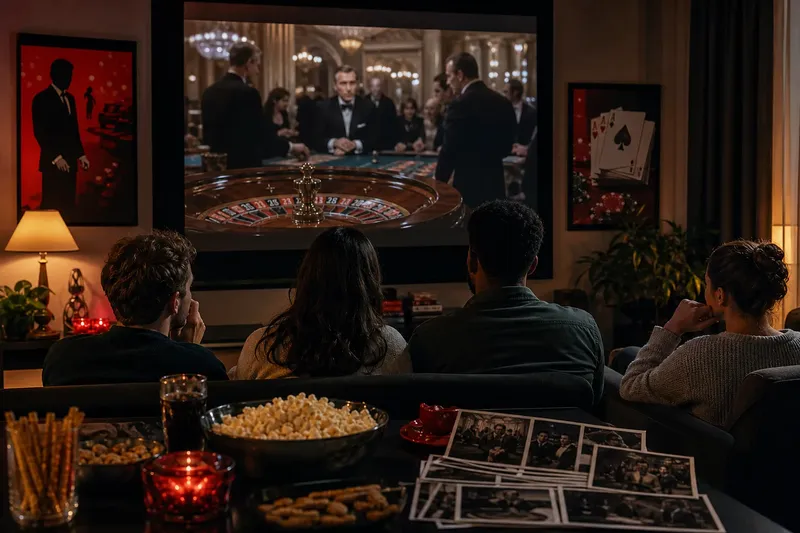
How do you host a casino-themed film night without turning it into a gambling evening? Make the film the event’s fixed point, then use its portrayal of casino culture, chance and game traditions to guide the food, discussion and optional activity. Guests can explore how play is framed on screen without placing bets or handling money.
Choose a film that gives the gathering a clear focus
Decide what you want guests to notice: the rituals of a card table, the drama of uncertain outcomes, or the way a film makes a casino look glamorous or threatening. Select a film that suits your group and be candid in the invitation about its gambling themes.
Consider the people you have invited before choosing casino imagery or games as decoration. Some guests may enjoy discussing how chance shapes a story; others may prefer to watch without being asked to take part in anything that resembles betting.
- If the film centres on casino rituals: Check whether guests are comfortable with that subject; if they are, use a brief discussion about the rituals, and if they are not, choose a different film.
- If the film treats chance as a source of suspense: Notice how editing and sound shape that impression; if guests enjoy analysing film craft, prepare a prompt, and if not, keep conversation informal.
- If a guest would rather avoid gambling themes: Ask privately before sending the final invitation; if the theme is unwelcome, select another shared film rather than disguising it with decorations.
- If the group wants a relaxed social evening: Keep food and conversation around the screening; if side activities would compete with it, leave them out.
- If guests have varied interests: Make discussion optional; if some prefer quiet, provide a comfortable seat away from conversation.
- If casino props might suggest a wager: Check whether they look like chips, betting slips or a gaming table; if they do, use a poster or simple table setting instead.
Say you have invited friends who enjoy crime films, but one guest does not want to take part in anything resembling a wager. You choose a film for its character tension, mention its casino setting in the invitation, and skip chips and betting games. After the screening, you offer an optional conversation about how lighting and sound make chance feel tense; the observable result is that guests can discuss the film without being asked to gamble.
Build a film-first schedule
Keep the sequence simple: welcome guests, serve food, watch the film, then invite conversation. The film should remain the evening’s shared focus rather than background entertainment.
- Before guests arrive: Choose the film and check that you can show it legally in your setting; if you are unsure about screening permissions, check with the relevant rights holder or venue before inviting people.
- As guests arrive: Offer food and drinks, show people where to sit, and state plainly that there will be no gambling or betting; if someone expected a game, explain the planned film discussion instead.
- Before pressing play: Give a concise content note about gambling, addiction, debt or violence if those themes appear; if a guest is uncomfortable, let them step out or choose not to watch.
- During the film: Keep side games and casino props out of the viewing area; if conversation starts competing with the film, pause briefly or suggest saving it for after the credits.
- After the credits: Invite comments without calling on anyone; if guests would rather socialise or leave, let them do so without explanation.
Think of the schedule like a table set for a meal: the film is the main dish, and the surrounding details should support it rather than crowd it out.
Use discussion prompts to examine chance and play
Open questions make room for different readings without turning the conversation into a quiz. Choose a few that suit the film, and let guests answer from what they noticed rather than from specialist knowledge.
- How do lighting, sound or costume make the casino feel inviting, tense or threatening?
- Does the story present chance as exciting, unfair, comic or dangerous? Which scene creates that impression?
- Which decisions seem to belong to the characters, and which are shaped by the setting or other people?
- What rituals or rules around play does the film show, and who seems to understand or control them?
- Does the ending change how you interpret an earlier scene?
Let conversation move towards acting, music or storytelling if that is where guests want to go. The aim is to notice how the film frames play, not to reach one correct interpretation.
Offer a shared activity without stakes
Choose an activity based on cooperation or observation, not winning, prizes or wagers. For instance, guests can arrange printed film stills in story order or match character names to scenes. Keep the activity optional and away from the screen so it does not compete with the film.
Avoid chips, betting slips, wager tokens and rules that ask participants to stake anything, even if no cash changes hands. If you use a card or board game, explain its cooperative rules and let guests sit out; if its structure centres on risking tokens or competing for a prize, choose another activity.
What should you settle before the film night?
Should the film itself include gambling?
Choose based on your group’s comfort and the purpose of the theme. If gambling is likely to be unwelcome, select a different film rather than relying on a warning to make the subject comfortable.
Should you decorate like a casino?
Use a modest cue, such as a film poster or a simple red-and-black table setting. If an object looks like it could be used for betting, leave it out and avoid making casino play part of the room’s activity.
What if someone suggests playing for money?
State the boundary calmly: the gathering is for watching the film, not placing bets. Offer the planned discussion or collaborative activity instead, and do not turn the suggestion into an improvised game.
How can a guest step away from the discussion?
Make conversation optional and provide a comfortable place to sit apart. A guest should be able to take a break, get a drink or leave without having to explain their choice.
Make the boundary clear in the invitation
Write that the evening includes a film, food and optional conversation, but no gambling. This gives guests a clear picture before they arrive and makes the boundary feel like an ordinary part of the plan.
For a casino-themed film night, keep the choices connected to the film: use prompts to discuss how the story frames chance, and choose activities that involve company without stakes. A useful final check is whether each prop or activity invites guests to watch and talk, or instead asks them to imitate a wager; if it suggests betting, leave it out.